THE NAME
It started in Belgium
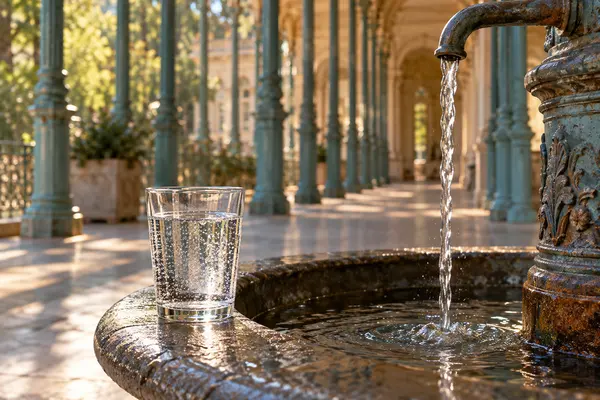
Spa, a town in the Ardennes, was so famous for its mineral springs that its name was given to resorts like it everywhere.
Read the facts doodlespa
THERMAL SPRINGS, EXPLAINED
Every spa town starts with a spring, and every hot spring starts as rain.
Compare spring temperatures
SPRINGfed, not heated
The word spa comes from one small Belgian town. The hot water in towns such as Bath is old rainwater that sank kilometres into the rock and came back up warm. Here is how it works, in plain English.
Plain English, with the sources linked.
Updated
THE SHORT ANSWER
Three things explain almost every spa town:
where the word came from, why the water is warm, and what grew around it.
THE NAME
Spa, a town in the Ardennes, was so famous for its mineral springs that its name was given to resorts like it everywhere.
Read the factsTHE HEAT
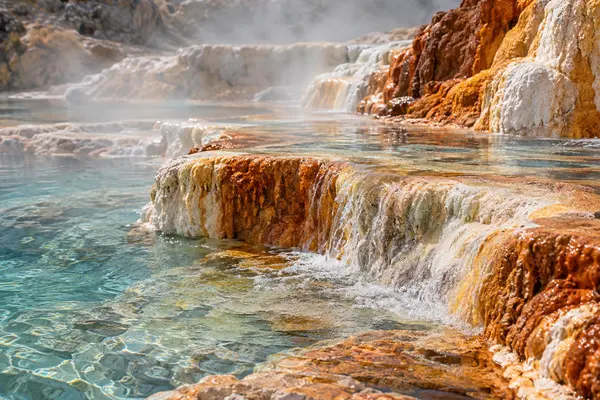
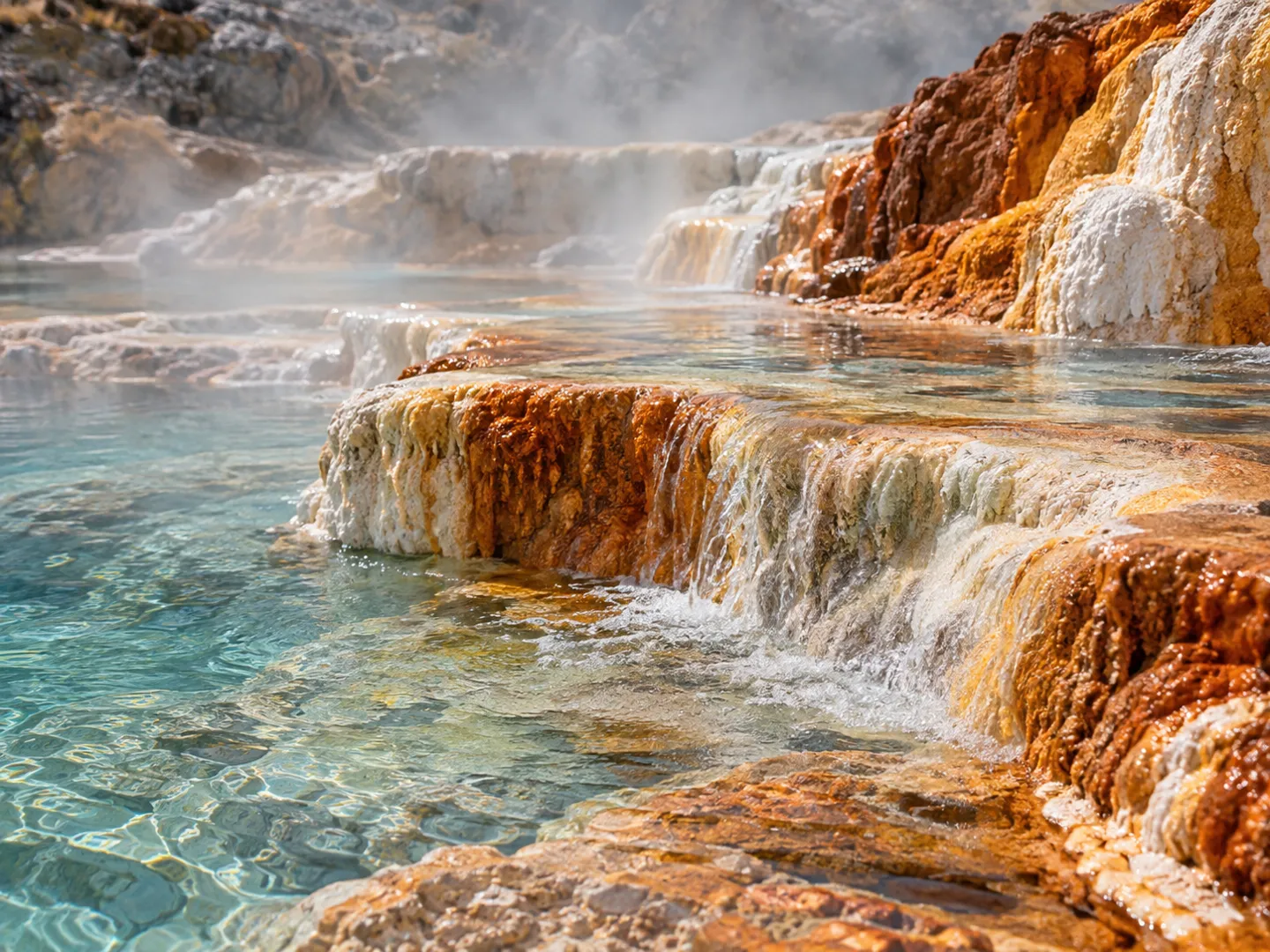
Rain sinks kilometres underground, warms up in the hot rock and rises again through cracks and fissures.
See two springsTHE TOWNS
UNESCO lists eleven spa towns in seven countries as one World Heritage property, Bath among them.
Compare the springsA QUICK SPRING CHECK
Pick a water source to see how warm it is when it reaches the surface. The figures come from the British Geological Survey, the Geological Society and the Czech tourist board.
These are temperatures at the spring itself, as the sources give them, not the temperature of any pool or bath.
TWO SPRINGS WORTH KNOWING
Two of Europe’s best-known spa towns,
side by side.
1.3 million litres
Water from the springs every day
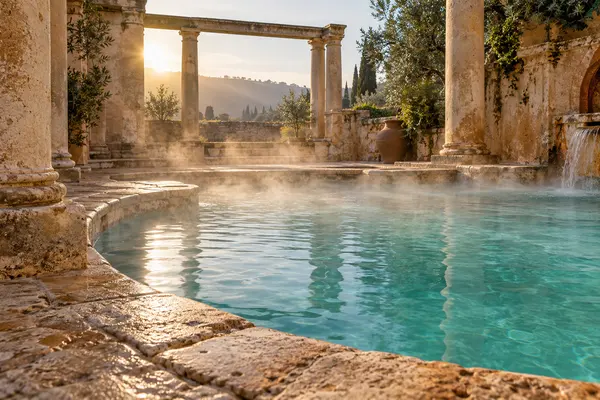
Rain falls on the Mendip Hills south of Bath and seeps into the Carboniferous Limestone. It reaches about 2.5 km down, picks up heat, and emerges in the city at around 40 to 47 °C.
BATH · ENGLAND
2,000 litres a minute
Flow of the Vřídlo hot spring
The Vřídlo is the hottest spring in this guide at 72 °C. Its jet of water can reach up to 12 metres, and it is the town’s only thermal source used for bathing.
KARLOVY VARY · CZECHIA
Both towns are part of the Great Spa Towns of Europe, inscribed by UNESCO in 2021. All eleven towns developed around natural mineral water springs.
VISITING A SPA TOWN
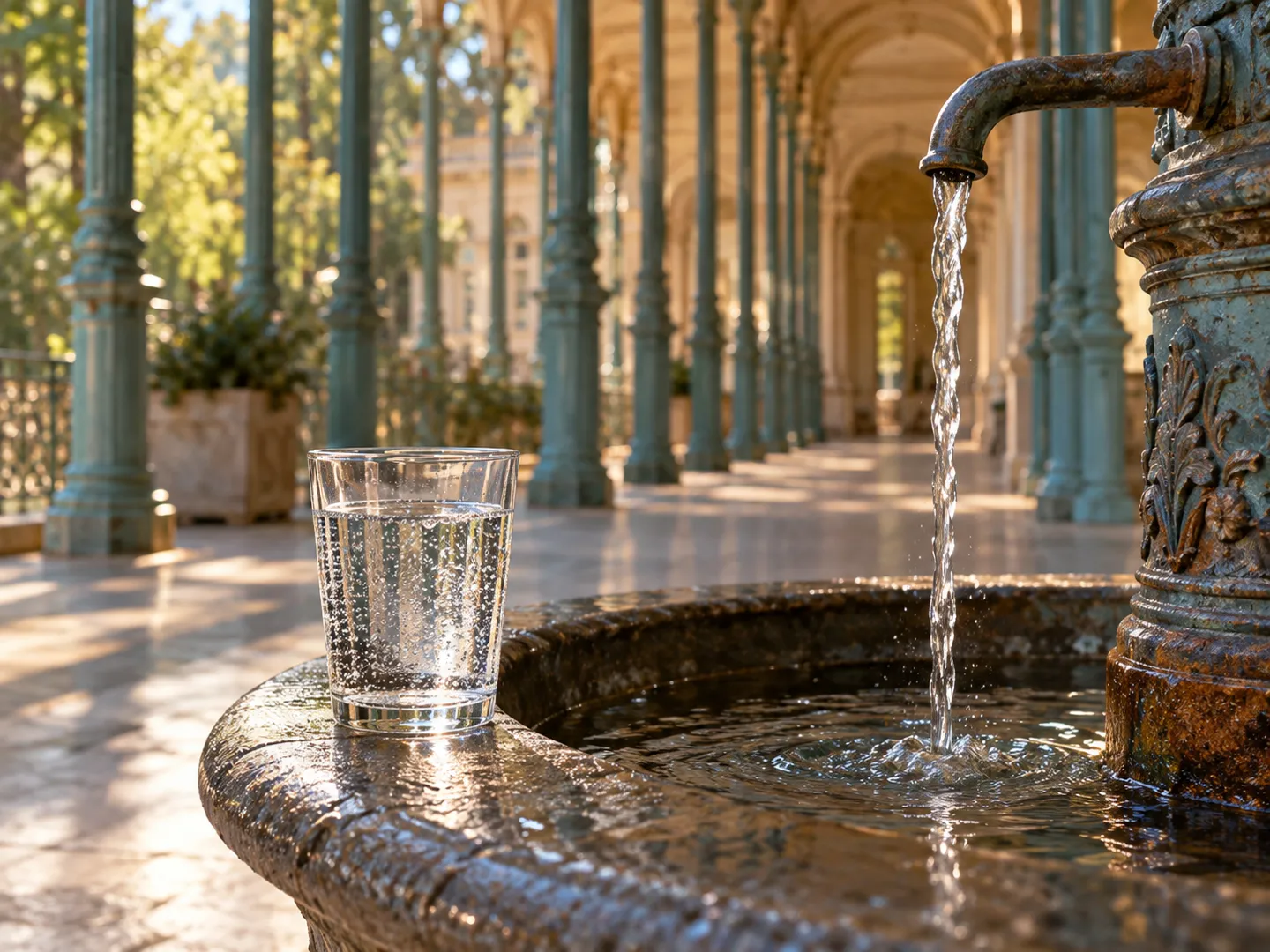
Every one of the eleven UNESCO spa towns grew around natural mineral springs. Start with the spring, then see how the streets and buildings gather round it.
In Spa the springs are called pouhons. Local names are often the quickest way into a town’s history.
UK groundwater is about 10 to 12 °C. The warmer a spring is, the deeper its water has probably travelled.
Spring water can be very hot at source and is mineral-rich. Bathe and drink only where the town or spa says it is meant for visitors.
SPRING FACTS
Merriam-Webster traces spa to Spa, a watering place in Belgium, and dates its first known use in English to 1610.
Britannica notes they were known in Roman times and mentioned by Pliny the Elder, then rediscovered in 1326 and visited by European royalty in the 18th century.
Rock temperature rises by about 26 °C for every kilometre of depth, though the rate varies with the rock. That is why deep-circulating water comes back warm.
Estimates collected by the British Geological Survey range from a few hundred or thousand years up to 6,000 to 8,000 years. The true age is still uncertain.
UNESCO says the European spa phenomenon has roots in antiquity, but reached its highest expression from around 1700 to the 1930s.
QUICK QUESTIONS
Short answers to the questions people ask most.
From Spa, a town in the Ardennes of eastern Belgium, south-east of Liège. Its mineral springs, known locally as pouhons, became so well known that the name was given to health resorts of this kind in general. Merriam-Webster dates the first known use in English to 1610.
Rock gets warmer with depth. Around Bath, rain soaks into limestone, sinks to about 2.5 km and is heated by the surrounding rock, at a typical rate of about 26 °C per kilometre, before rising back up through fissures.
The British Geological Survey lists the three principal springs at about 45 °C (King’s Spring), 41 °C (Cross Bath) and 47 °C (Old Royal Spring). Ordinary UK groundwater is about 10 to 12 °C.
A UNESCO World Heritage property inscribed in 2021: eleven towns in seven countries, including Bath, Spa, Vichy, Baden-Baden and Karlovy Vary. All grew up around natural mineral springs, and the spa culture they share peaked from around 1700 to the 1930s.
It varies and is hard to pin down. For Bath, the British Geological Survey reports estimates ranging from a few hundred or thousand years up to 6,000 to 8,000 years, and notes that the age and depth remain uncertain.
A NAME WITH WARMTH
doodlespa.com is part of the DoodleSale portfolio. Check the current listing and available purchase or lease options.